
Reviewed · COOKING CLASSES
Tribal Cooking Class in Luang Prabang Forest and visit
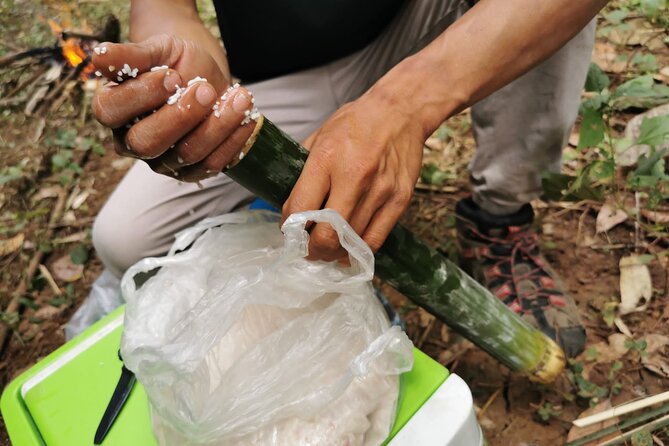
The best part of this Luang Prabang outing is that cooking starts with the raw materials. You walk with a Khmu guide, identify edible plants, cut bamboo, build simple utensils, and prepare lunch with basic forest tools. A short walk leads to a rustic cooking area, though some departures use a farm setting rather than deep forest.
I like the hands-on bamboo work and the chance to learn from guides such as Peng or Pheng, who bring practical knowledge of local food and village life. I also like the private format: your group gets the guide’s attention instead of being folded into a large cooking class. The main consideration is that the setting can vary, and the description of gathering ingredients in primary forest may not match every departure.
Key points to know before booking
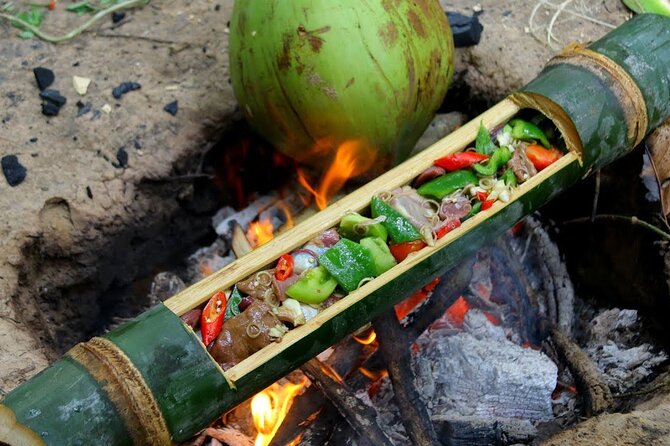
- A cooking class with survival skills: You prepare food, make bamboo chopsticks and a drinking cup, and may learn simple uses for forest materials.
- A short forest walk: The route to the cooking area takes about 10 minutes, but some outings are based around a farm and village rather than untouched forest.
- Khmu-led instruction: Guides including Peng and Pheng explain local plants, farming, food gathering, and traditional cooking methods.
- Lunch is part of the experience: Water, snacks, lunch, cooking tools, and utensils are included in the $78.08 price.
- Private transport and a private group: Pickup is offered from Naga Lodge, and only your group participates.
- Allow five hours: This is not a quick market-to-table demonstration. Much of the appeal is in the collecting, cutting, and making.
Starting at Naga Lodge and heading into the countryside
The experience begins at Naga Lodge Eco Resort in Ban Xieng Mouark, Luang Prabang. Private transportation is included, and one detailed account describes arriving in a zebra-striped Jeep, with stops along the way to collect ingredients. That unusual ride adds a bit of character, though the exact vehicle and route can vary.
You are not simply driven to a kitchen and handed a bowl. The day is built around finding and preparing what you need. That makes the five-hour length feel useful. Time is spent on the road, walking, collecting plants or farm ingredients, preparing bamboo, lighting the fire, and cooking lunch.
The private format matters here. Cooking with a machete, shaping bamboo, and identifying plants all take explanation. With only your group present, you can ask questions and work at a pace that suits you. It is also easier to take part rather than watch from the edge.
Pickup details are simple, but you should plan around the stated meeting point unless the operator confirms another arrangement. The tour ends back at Naga Lodge, so you do not need to arrange a separate return from the cooking site.
More cooking classes in Luang Prabang:
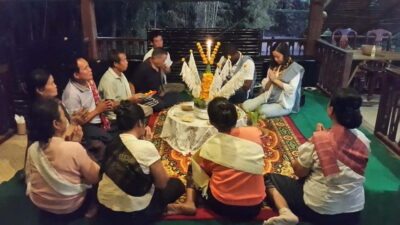
- Luang Prabang: Evening Cooking Class & Local Baci Ceremony
★ 4.9 · 151 reviews - Luang Prabang: Bamboo Weaving Workshop & Cooking Class
★ 5.0 · 96 reviews - Luang Prabang: Cooking Class at the Former Royal Palace
★ 4.9 · 51 reviews
A short walk with a Khmu guide
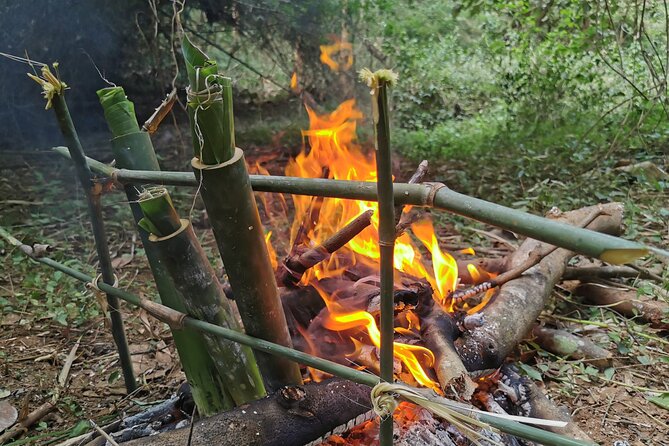
The walk into the cooking area is described as about 10 minutes. This is not presented as a demanding trek, but the experience does involve walking outdoors and working with basic tools. Wear shoes and clothing that can handle dirt, smoke, damp ground, and plant material.
Your guide introduces edible plants used in Lao cooking. The important point is not just learning a list of ingredients. You see how food is connected to the surrounding countryside and to daily life in Khmu communities. Guides such as Peng and Pheng are described as farmers with strong knowledge of local farms, villages, and food sources.
There is one important point to keep clear. The experience is promoted as cooking in the primary forest, but one account found the activity to be farm based. These two settings offer different experiences. Forest cooking sounds wilder and more remote, while a farm setting may give you a better look at how ingredients are actually grown and gathered. If the exact location matters to you, ask Laos Experience Tours to confirm it before booking.
The plant-gathering portion also depends on what is available that day. You should expect practical instruction rather than a formal botanical lesson. The value comes from learning which local ingredients go into the meal and how they are handled.
Bamboo is the real classroom
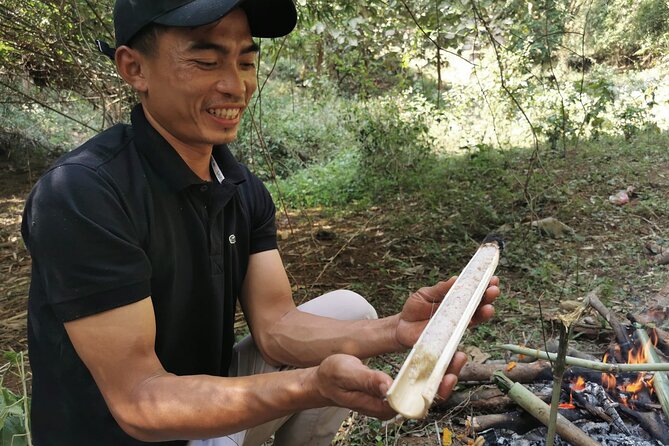
Bamboo is central to the activity. You use it for cooking and also make your own eating chopsticks and drinking cup. These are simple souvenirs, but they carry more meaning than a shop-bought trinket because you made them during the meal.
The work is hands-on. Machetes are used to shape bamboo and prepare materials, so you should follow the guide’s instructions carefully. This is one reason the activity suits adults and older children who enjoy making things, though the supplied information does not set a minimum age.
You may also make a cover from bamboo or other natural materials if rain threatens the cooking area. One account describes reaching a clearing with a small bamboo platform and using machetes to fashion shelter. That detail gives you a realistic picture of the setting: basic, open-air, and practical rather than polished.
The simple tools are part of the point. You are not recreating a restaurant kitchen with a few decorative leaves on the table. You learn how bamboo, stone, fire, and forest materials can do the work of plates, cookware, and utensils.
Cooking lunch with what the area provides
After collecting ingredients and preparing the cooking equipment, you make a traditional Lao meal. The activity includes lunch and snacks, along with bottled water and the required cooking tools.
The cooking process can include gathering banana leaves, starting a fire, and preparing food from fresh local ingredients. The exact dishes are not specified, so you should not book this expecting a fixed menu. The meal is shaped by the available ingredients and the guide’s method.
That uncertainty is part of the charm, but it is also worth noting if you have allergies or strict dietary requirements. The supplied details do not promise vegetarian, vegan, gluten-free, or allergy-safe meals. Ask the operator before booking if your diet requires special handling.
The meal is more than a reward at the end. It brings the earlier parts together. You have seen where some ingredients come from, handled bamboo, prepared the cooking area, and worked with the guide. Eating the finished food in the same natural setting gives the class a clear beginning and end.
You should also expect a rustic experience. The setting may involve a bamboo platform, a simple shelter, fire, and basic utensils. That is ideal if you want a local skills lesson, but less suitable if you want a polished cooking studio with washing stations and a printed recipe booklet.
More hands-on workshops in Luang Prabang:
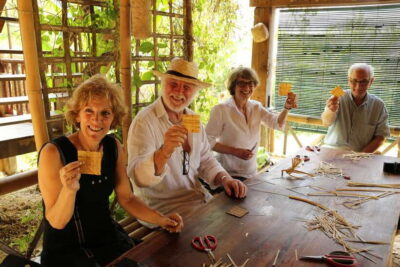
- Day-time Bamboo weaving & Cooking Classes join-in
★ 5.0 · 38 reviews - Luang Prabang: Hmong Batik Art Workshop
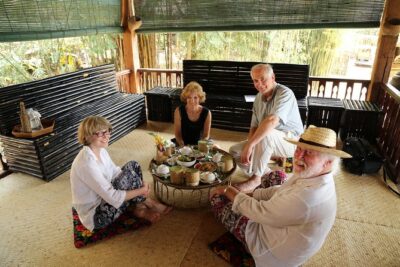
★ 5.0 · 27 reviews - Evening Bamboo weaving & Cooking classes join-in
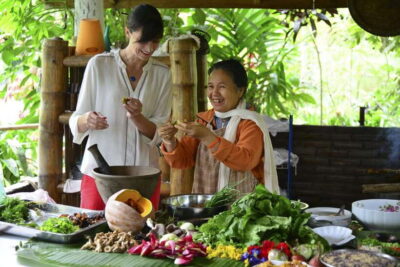
★ 5.0 · 17 reviews - Traditional Market Tour and Private Laotian Cooking Class with a Local
★ 5.0 · 13 reviews
What the guide adds to the day
The guide is the key to this experience. Without local instruction, picking plants in an unfamiliar environment would be confusing and potentially unsafe. The Khmu perspective gives the class its cultural value.
Peng is singled out as a farmer with a strong understanding of farms and villages. Pheng is also named as a guide who explains where food comes from and helps with harvesting, fire making, and cooking. The spelling varies in the supplied information, so you may want to confirm who will lead your departure.
The strongest praise centers on the guides’ patience, practical skill, and warmth. That fits the format. You are learning several unfamiliar tasks in one morning, and a guide who can explain food, tools, farming, and village life makes the outing much more rewarding.
The class also includes small survival-style elements. You may learn how to use natural materials, fashion utensils, and prepare a simple trap. The exact activities are not guaranteed, so treat these as possible additions rather than fixed promises.
How much value is in the $78.08 price
At $78.08 per person, this costs more than a standard market visit or a short Lao cooking demonstration. The price includes private transportation, lunch, snacks, bottled water, cooking tools, and a roughly five-hour activity.
The value comes from the amount of personal instruction and the range of activities. You are not paying only for a meal. You are paying for transport, a guide, ingredient gathering, bamboo craft, cooking, and a private group setting.
It is especially good value for two or more people who want a full half-day outing and enjoy active learning. The price is harder to justify if you mainly want to taste Lao food or watch someone else cook. In that case, a conventional cooking class may give you more recipes and less time in the countryside.
Solo visitors should check the booking terms carefully. One solo participant had to pay for two people because there was no single-person booking option. The activity itself can still work well for one person, but the minimum booking requirement can change the real cost.
The experience is booked, on average, 23 days ahead. That suggests you should reserve early if it is important to your schedule, especially during busy periods. Confirmation is normally sent at booking, though bookings made within one day of departure are subject to availability.
Who will enjoy this most
I would choose this for you if you want a hands-on cultural activity rather than a standard sightseeing stop. It suits curious eaters, people interested in village skills, and anyone who likes learning through doing.
It is also a good fit for visitors who have already seen Luang Prabang’s temples and markets and want time outside town. The private transport removes much of the planning, while the short walk keeps the outing from becoming a serious trek.
You should think twice if you dislike smoke, dirt, rough surfaces, machete work, or uncertain menus. The setting is deliberately basic. The supplied information also does not promise air conditioning, bathroom facilities, or a fully sheltered kitchen, so contact the operator if those details matter to you.
Families may find the bamboo crafting and outdoor cooking appealing, but the tour details do not state age limits or child pricing. Confirm that before booking with young children.
Weather, comfort, and the forest versus farm question
Rain can be part of the experience. A small bamboo platform and a handmade cover may provide some protection, but this is not an indoor class. Bring practical clothing and expect the day to feel more like a countryside outing than a restaurant meal.
The difference between forest and farm is worth considering. If you picture a remote jungle setting, ask for a clear description of the current route. A farm-based outing may feel less wild, but it can offer a more direct look at food production and village surroundings.
Either setting can support the main lesson: Lao cooking is tied to local materials, seasonal ingredients, fire, and bamboo. The setting is important, but the quality of the guide and your willingness to take part matter just as much.
Free cancellation is available if you cancel at least 24 hours before the start time. Cancellations within 24 hours are not refunded, and changes in that period are not accepted. The operator may also cancel if the minimum number of participants is not met, in which case you are offered another date or experience, or a full refund.
Should you book this Luang Prabang cooking class?
Book it if you want your cooking class to include a walk, ingredient gathering, bamboo craft, fire making, and a meal cooked outdoors. The private setting and guides such as Peng or Pheng give the day a personal feel, while the handmade chopsticks and bamboo cup make useful souvenirs.
Do not book it solely for a guaranteed primary-forest adventure or a fixed menu. The setting can be farm based, and the dishes are not listed in advance. Ask about the location, guide, ingredients, and solo booking requirement before paying.
For the right visitor, this is one of Luang Prabang’s more active cultural outings. It connects food with land, tools, and village knowledge. At $78.08, it earns its price through the amount of time and participation, not through luxury.
FAQ
Where does the activity start and finish?
It starts at Naga Lodge Eco Resort in Ban Xieng Mouark, Luang Prabang. The activity ends back at the same meeting point.
How long does the cooking experience last?
The activity lasts approximately five hours, including transport, the walk, ingredient gathering, bamboo work, cooking, and lunch.
Is transportation included?
Yes. Private transportation is included, and pickup is offered. The stated meeting point is Naga Lodge unless another arrangement is confirmed.
Is this a private activity?
Yes. Only your group participates in the activity.
What is included in the price?
The $78.08 price includes private transportation, bottled water, lunch, snacks, and the tools and utensils needed for the cooking class.
What is the cancellation policy?
You receive a full refund if you cancel at least 24 hours before the experience starts. Cancellations or changes made within 24 hours are not refunded or accepted.
Just added around Luang Prabang
- The Namkhan – Yoga Class (8 am or 4 pm)★ 4.0 · 5 reviews
- The Namkhan – Traditional Lao Bamboo Weaving★ 5.0 · 4 reviews
- Unwind with a Sunset Cruise on the Mekong River★ 5.0 · 4 reviews
- Sunset Cruise in Luang Prabang with Live Performance★ 4.5 · 3 reviews
- Private Tour: Half-Day City Tour of Luang Prabang★ 4.5 · 4 reviews
- Luang Prabang Street Food Culture, Paper Handicraft Village Tour★ 5.0 · 10 reviews
- Luang Prabang’s Beauty & Heritage in 1 Day – All-Inclusive Tour★ 5.0 · 6 reviews
- Private Luang Prabang City Tour★ 5.0 · 3 reviews
Cooking Classes, compared.
Day-time Bamboo weaving & Cooking Classes join-in
Read our review →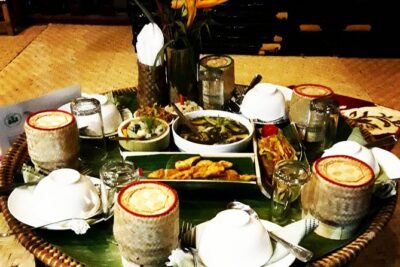
Evening Bamboo weaving & Cooking classes join-in
Read our review →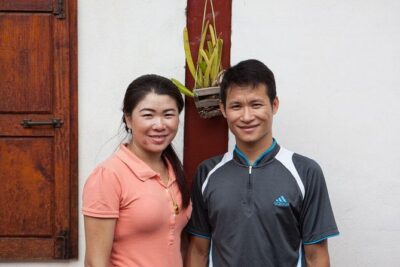
Traditional Market Tour and Private Laotian Cooking Class with a Local
Read our review →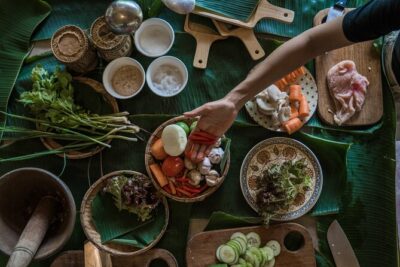
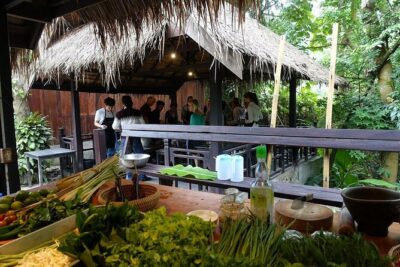
Browse the lists this tour appears in